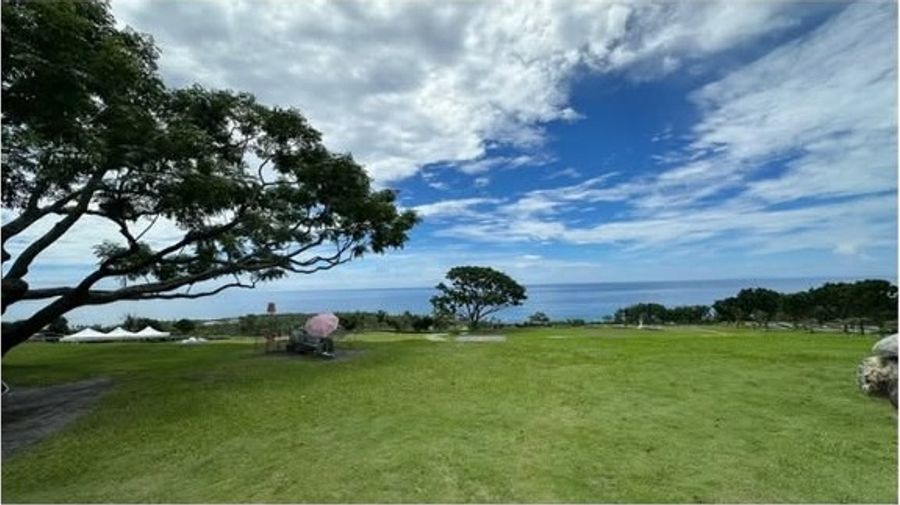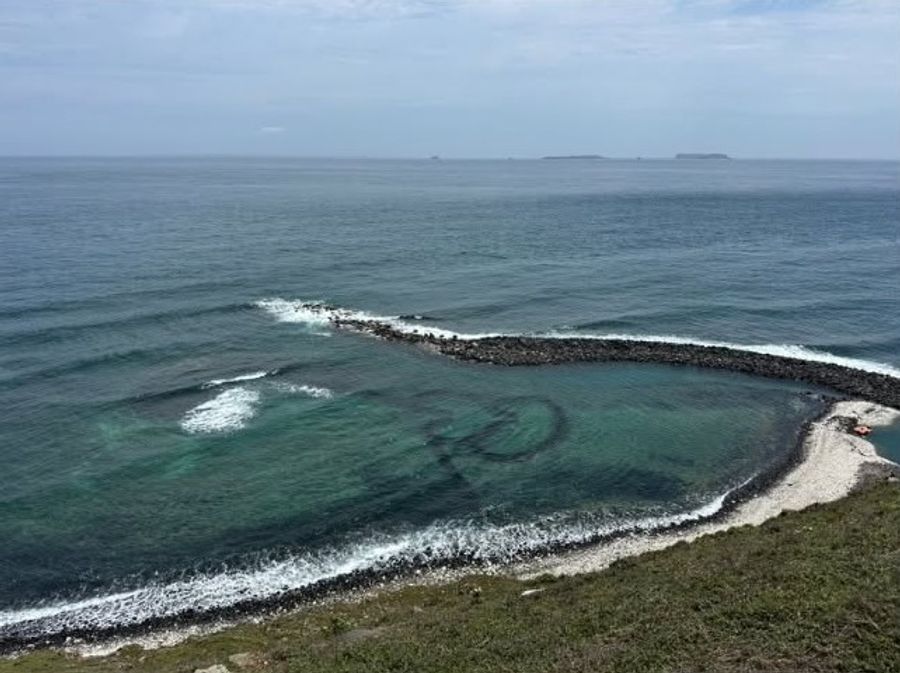
One day I drove along the South Link Highway towards the southernmost tip of Taitung — Nantian in Daren, and Nanxing Village in Dawu.
There was no plan; I simply wanted to feel the sea breeze and look at the mountains. On one side of this road are the foothills of the Central Mountain Range, on the other the Pacific — Taitung's typical landscape, between mountains and sea. It is also the main route for Taitung people travelling to and from Pingtung and Kaohsiung.
In my childhood memories, this road was nothing but mountains or sea.
From Dawu to Fenggang there is a winding mountain stretch I used to jokingly call the "catch-the-rabbit section" — you were too busy being carsick to have any chance of stopping, and you had no idea which villages you could stop at for a proper look.
Back then, we were only passing through. It was not until I met 謝榕佳, the owner of Daxing Shanhao in Nanxing Village, Dawu, that my eyes were truly opened to the indigenous communities along the South Link.
And I began to think seriously:
this road should not just be passed through — it is a place you can slowly walk into.
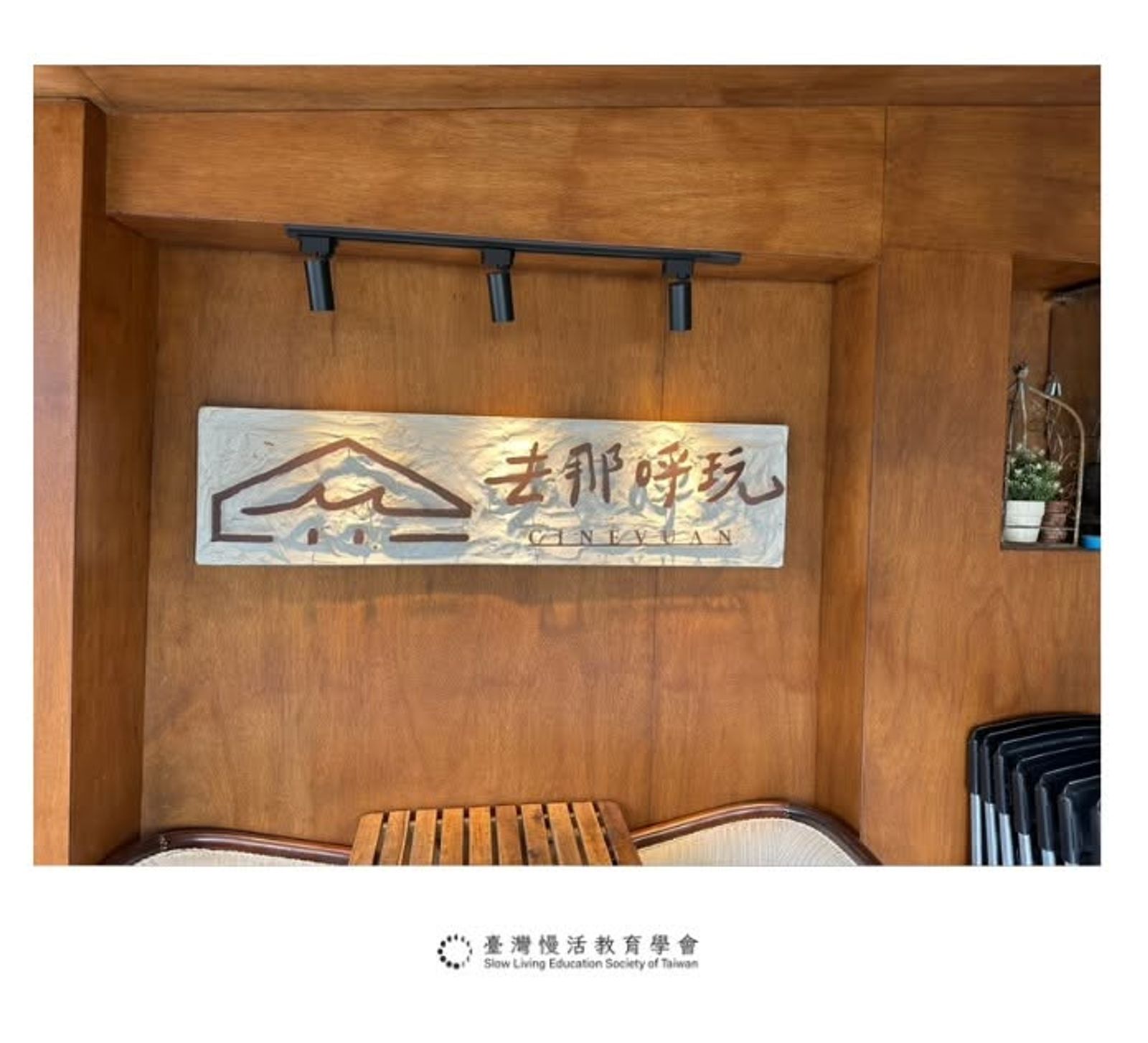
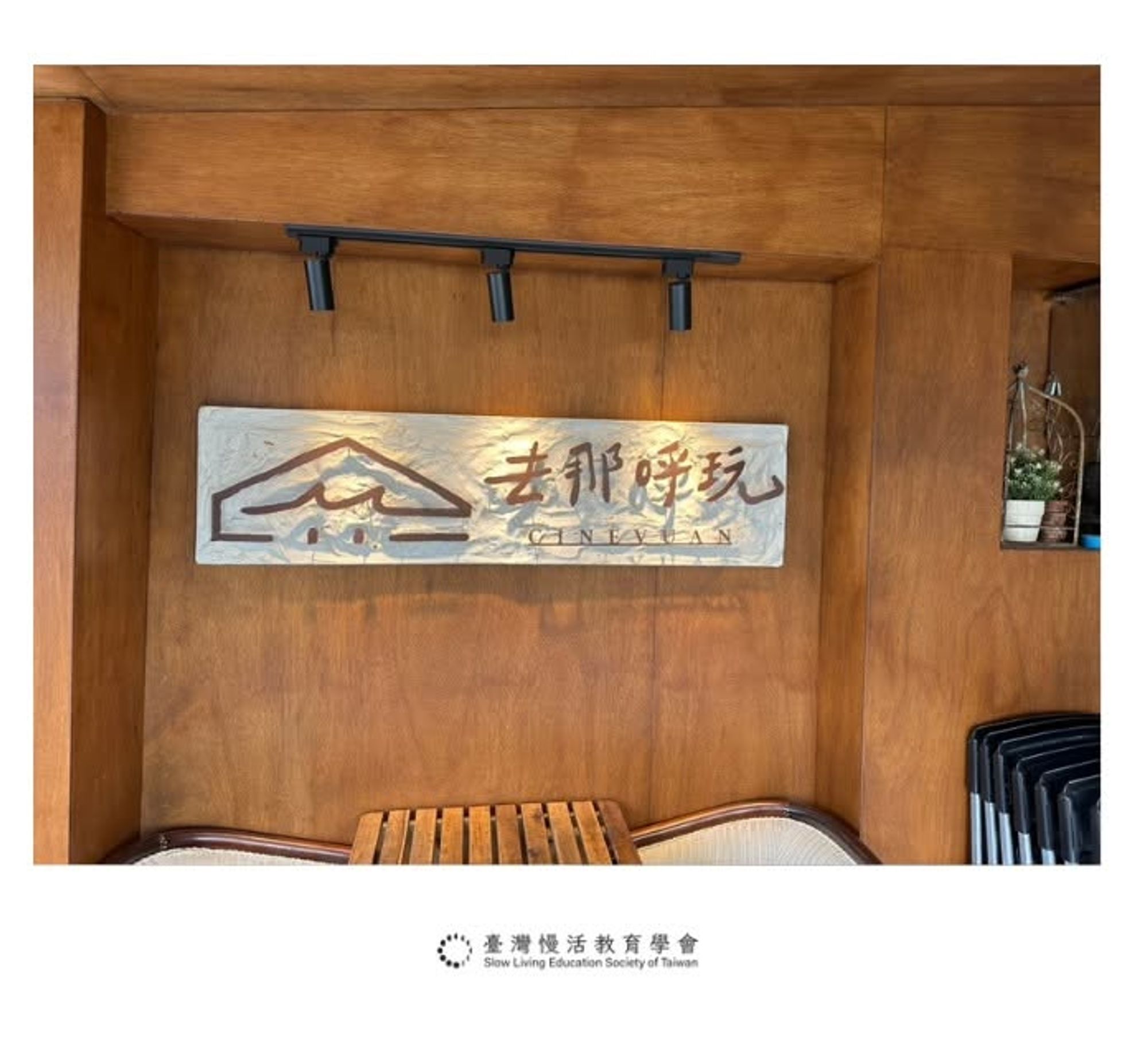
In recent years more and more young people have chosen to come home. From 打個蛋海旅 and 黑手咖啡 in Jinlun, Taimali, to 少女媱 in Likiu, Jinfeng Township, the 山豬窟 Leisure Agriculture Development Association in Dawu, 去那呼玩咖啡 in Shangwu Village, and the Nantian Community Development Association in Daren…
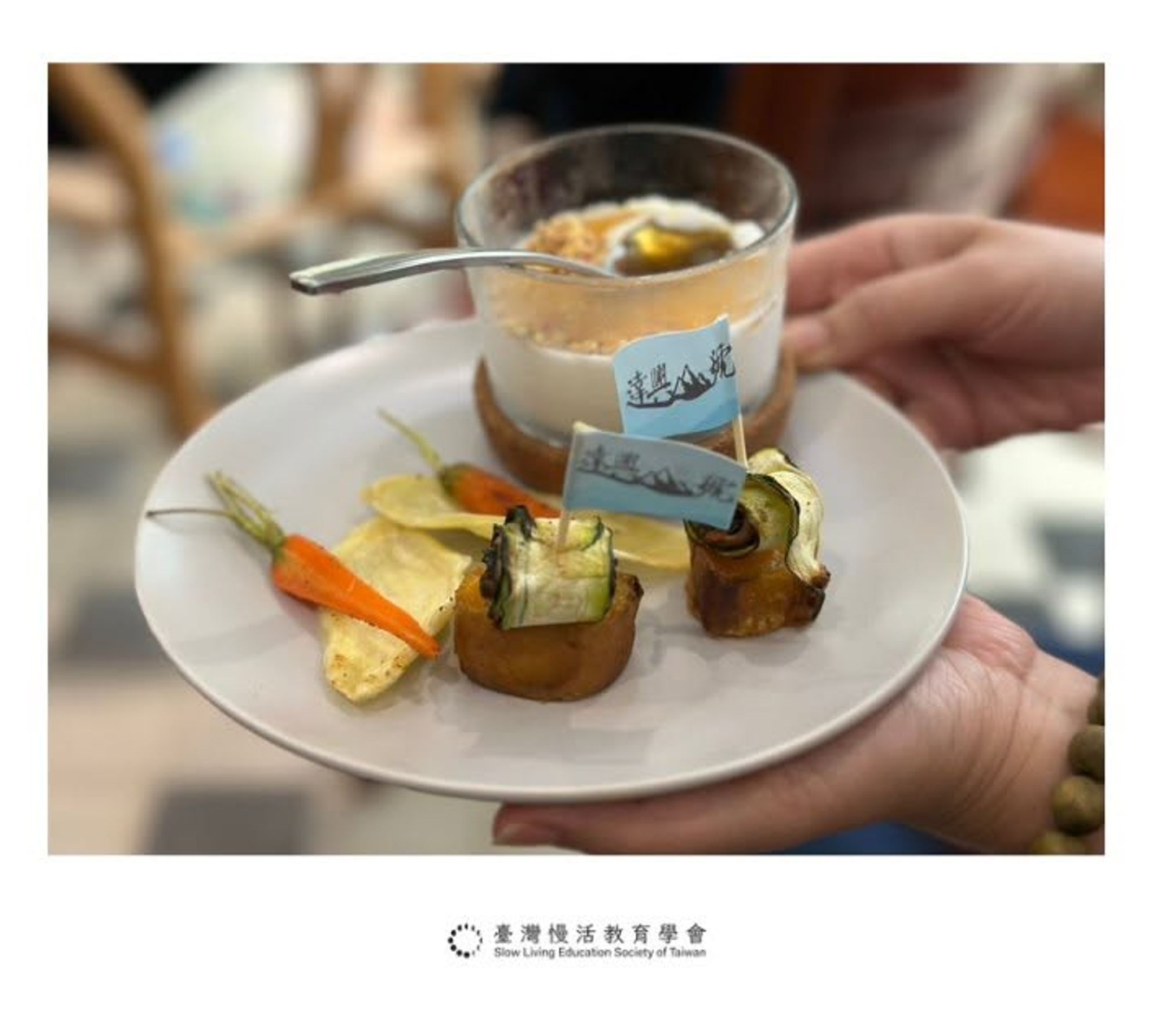
one point at a time, slowly linking together,
so that the South Link, a road we once could only rush through,
is finally somewhere to stop —
to walk slowly, experience slowly and slowly understand the life and culture of the Paiwan people. The everyday life of locals becomes something extraordinary in the eyes of travellers.
When I am not leading a tour, I choose to stop — to chat with the young people of the community and talk with the elders.
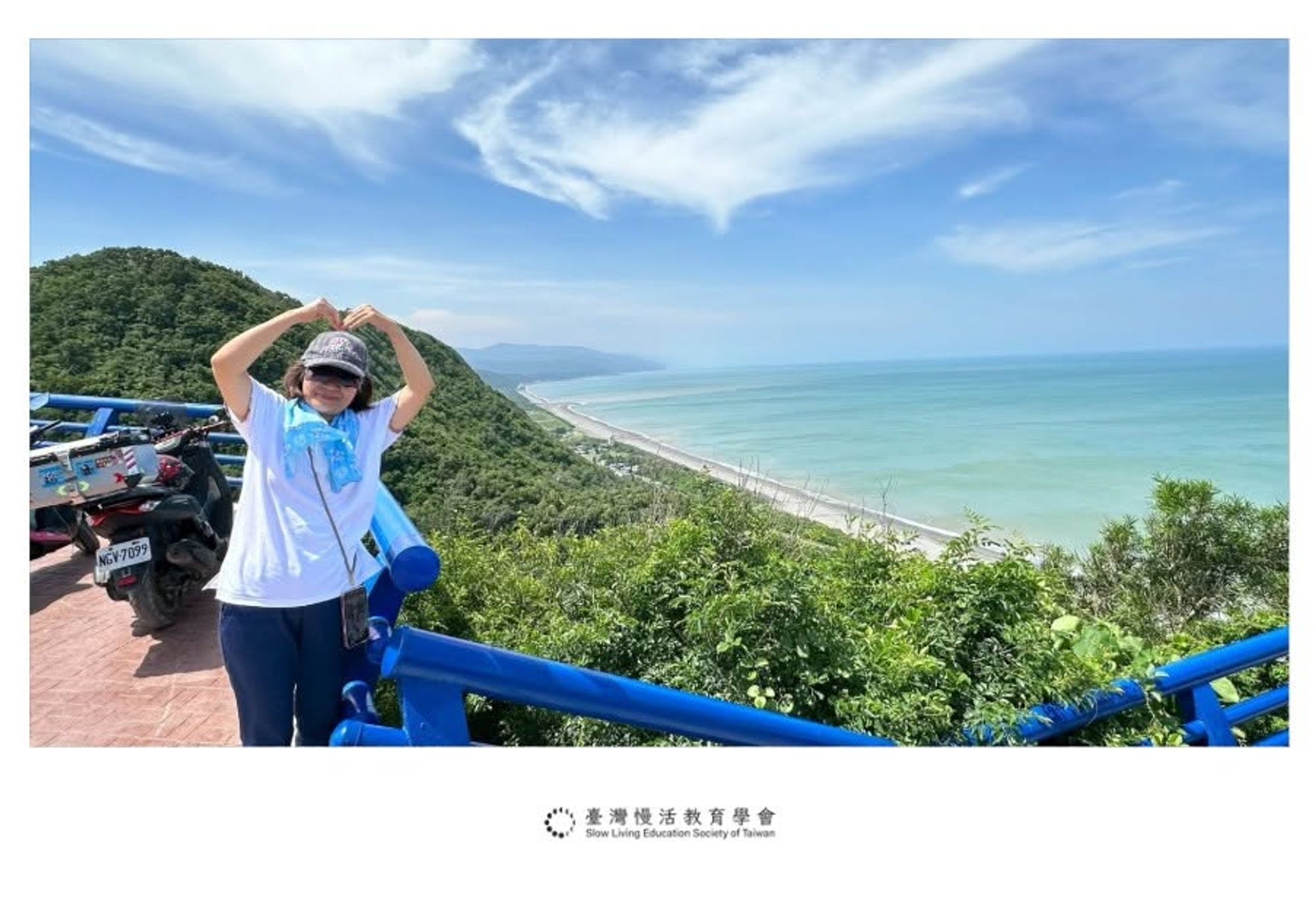
Opening all five senses —
seeing with the eyes, listening with the ears, smelling with the nose, tasting, and feeling with the heart.
In that moment I realised: I had truly slowed down.
When I am leading a tour, by contrast, my head is usually full of:
Where is the next stop? What time is lunch? Are we on schedule? What do I talk about next?
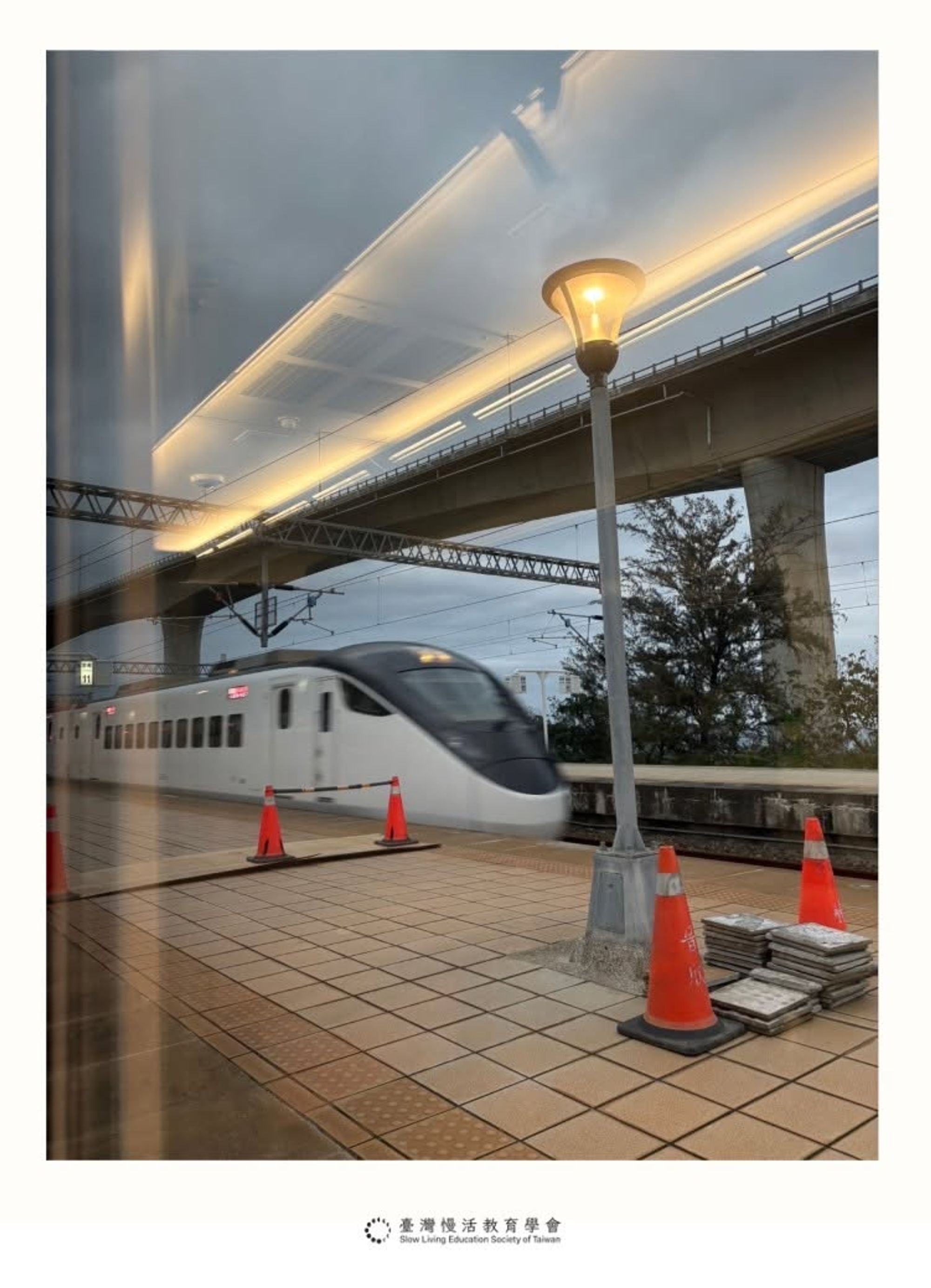
Constantly giving out my voice and my energy,
I forgot that travel was meant to slow the heart down.
Slowly I came to understand something:
when the mind slows down, emotions no longer drag you along;
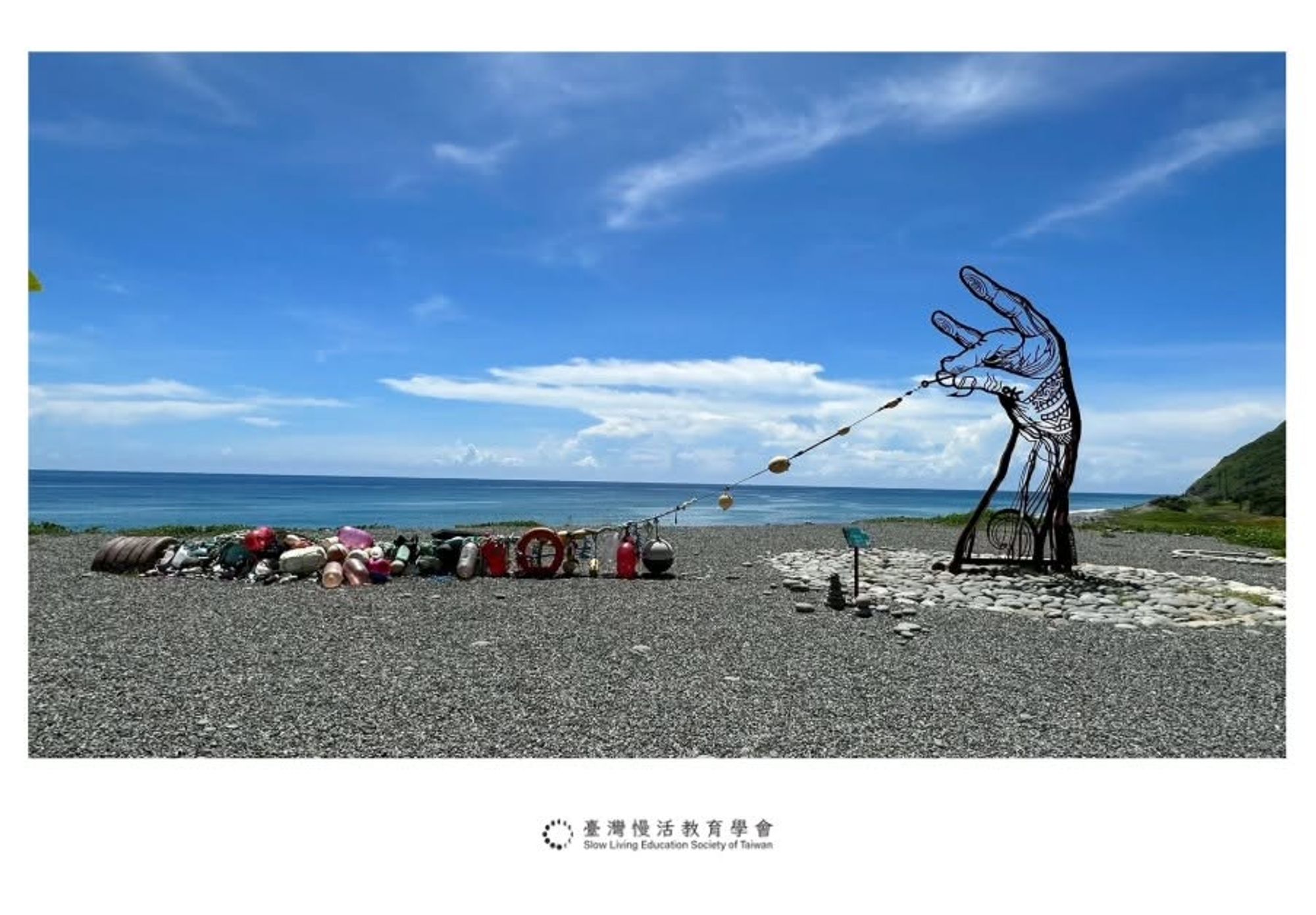
when emotions are steady, the body settles too.
A trip with no itinerary is really a way of finding your own rhythm again.
So slow living doesn't have to mean travelling far. Sometimes it is simply whether you are willing to let yourself stop.
Give it a try. On your own journey, practise something very simple, yet not easy —
walk slowly.